Mold Remediation
Mold Remediation for Structural Integrity in Media, Pennsylvania
Mold attacks a building's skeleton long before you see damage. Here is how source-first remediation protects framing, subfloors and load-bearing walls in Media, PA.
Request Your Free Estimate
24-hour quote turnaround. No obligation.
30+
Years of Experience
2,500+
Jobs Completed
Licensed
& Fully Insured
24/7
Emergency Response
Professional mold remediation in Media, PA requires source removal, not just surface cleaning. SMG Plastering INC, based in Media, PA, follows EPA-recommended protocols including moisture source identification, containment setup, and HEPA vacuuming. This approach protects structural integrity by addressing the root cause of fungal growth.
Key Takeaways
- Mold attacks a building's skeleton long before property owners notice visible damage.
- Untreated dampness allows fungal growth to digest wood framing, drywall, and subflooring from the inside out.
- Mold remediation for structural integrity starts with identifying the water source before any cleaning begins.
- Property owners who delay professional evaluation allow moisture to progressively weaken framing, sheathing, and finish materials.
Why does mold threaten structural integrity?
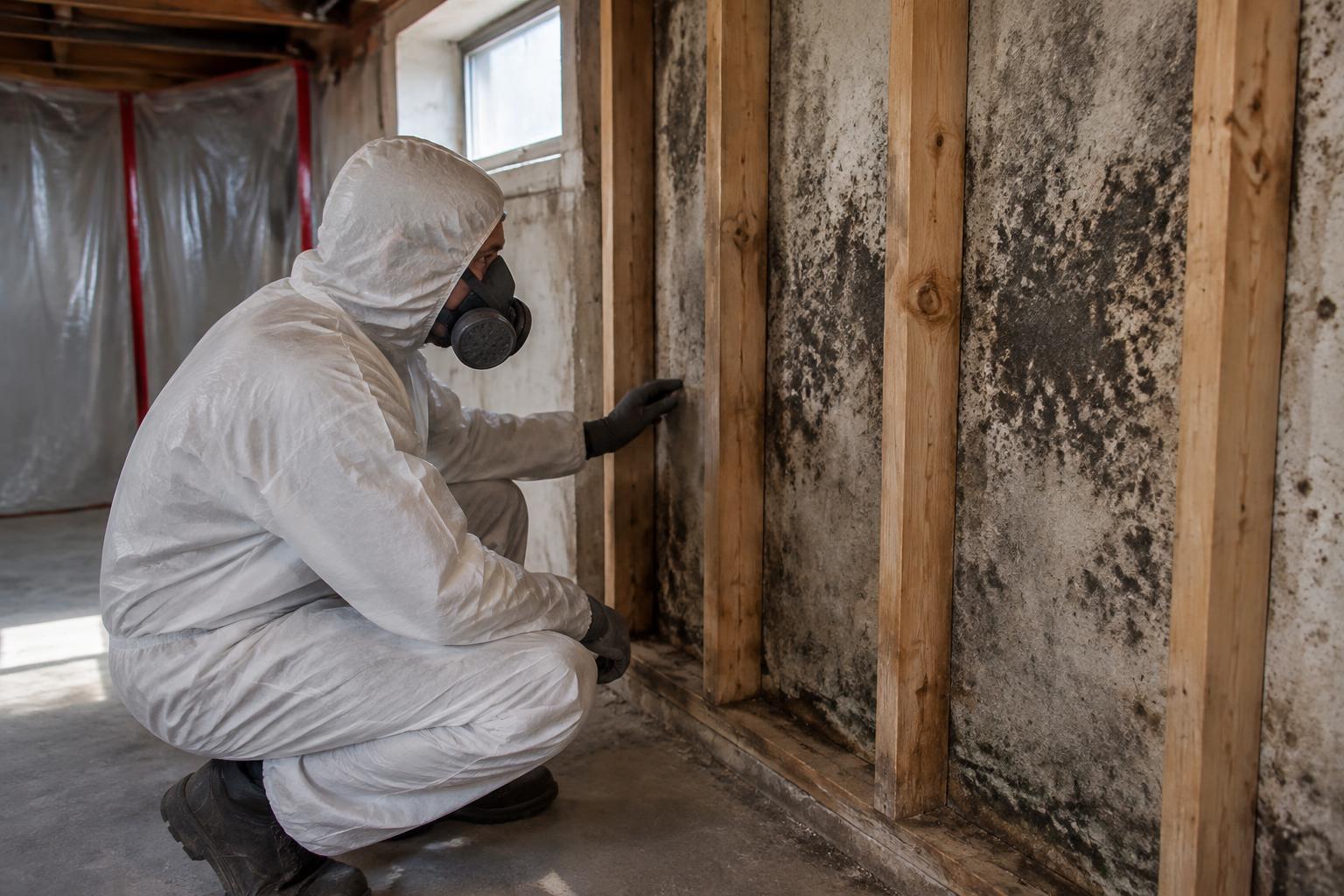
Mold attacks a building's skeleton long before property owners notice visible damage. The threat begins with moisture, not spores, and untreated dampness allows fungal growth to digest wood framing, drywall, and subflooring from the inside out. Mold left untreated creates severe issues for a house's structural integrity and health. The damage compounds silently. Wood loses load-bearing capacity. Drywall crumbles. Subfloors soften and sag. In Media, Pennsylvania, where humid summers and aging basements create persistent moisture problems, the risk accelerates year-round.
Mold remediation for structural integrity starts with identifying the water source. Mold is a moisture problem before it is a cleaning problem. SMG Plastering INC inspects basements, crawlspaces, bathrooms, attics, and commercial spaces across Media and Delaware County to locate active growth and trace the water source behind it. Without that step, surface cleaning fails. The moisture returns. The mold regrows. The framing weakens further.
What are the warning signs of structural mold damage?
Musty odors, discolored drywall, peeling paint, warped baseboards, and unexplained allergy symptoms all warrant an inspection. These indicators signal moisture intrusion that has already begun compromising building materials. Property owners in Media who notice any combination of these signs face a narrowing window before repair costs escalate.
How does the inspection process protect the building frame?
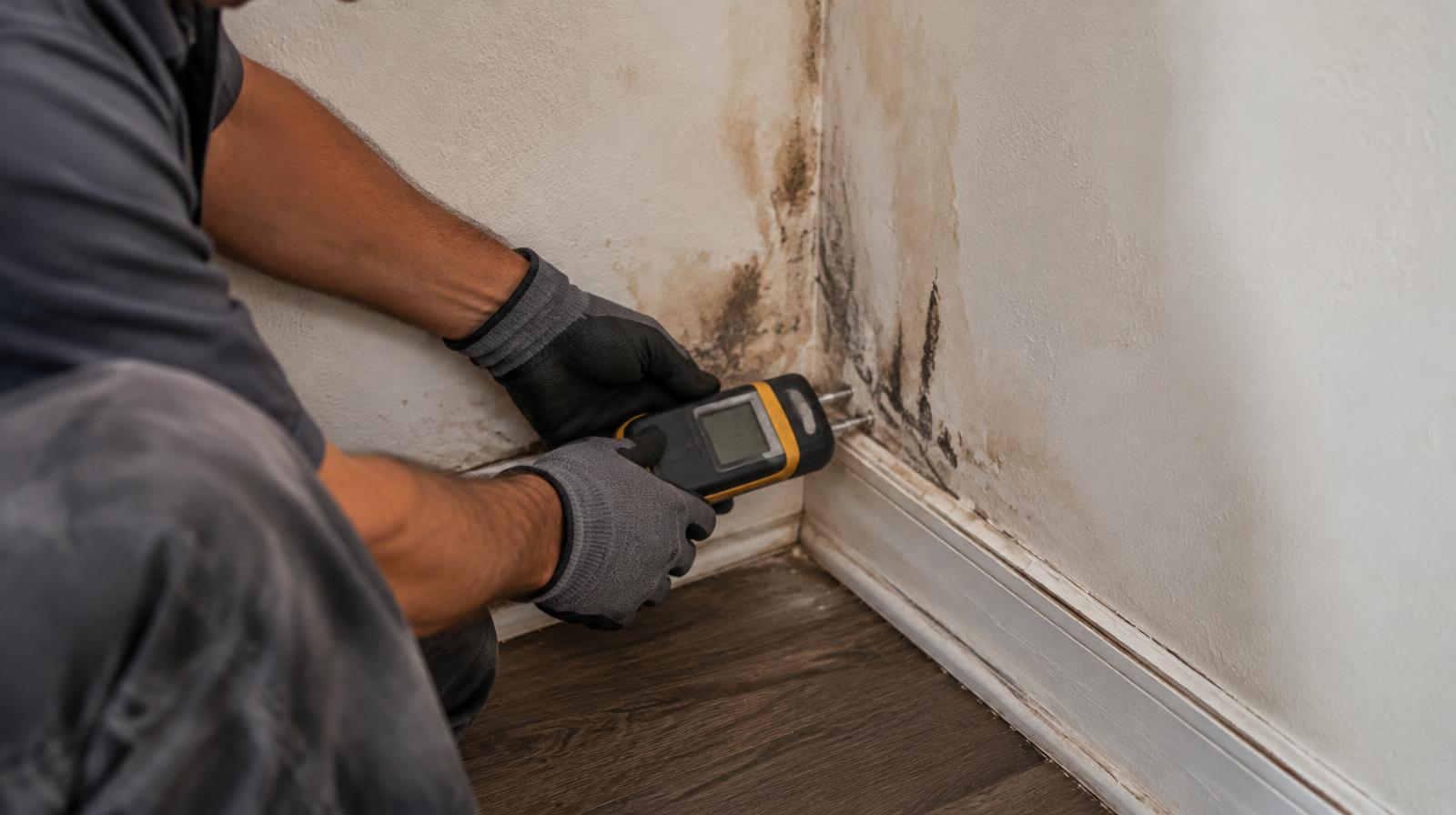
SMG Plastering INC follows a systematic protocol. First, technicians map visible growth and measure moisture levels in surrounding materials. Second, they trace the water source, whether a foundation crack, plumbing leak, or ventilation failure. Third, the team removes affected material and treats the cavity. Each step prevents the structural degradation that occurs when mold feeds unchecked on cellulose-based building components.
What are the prerequisites for safe remediation?
Safe mold remediation begins with a detailed plan. Property owners in Media, Pennsylvania must address three critical prerequisites before any cleanup work starts. Skipping these steps allows hidden moisture to persist. The mold returns, often within weeks.
What planning steps are required before remediation begins?
The first prerequisite is a thorough assessment. Technicians must evaluate the full extent of moisture and mold damage, as outlined in the EPA's Mold Remediation in Schools and Commercial Buildings guide. This inspection identifies the water source and maps all contaminated materials. Without this plan, remediation becomes guesswork.
How do professionals protect occupants and workers?
Personal protective equipment forms the second non-negotiable prerequisite. The EPA guide specifies that PPE shields workers from mold exposure during removal. For Media properties, this means respirators, gloves, and full-body suits are standard. Containment strategies are equally vital. Physical barriers and negative air pressure prevent spores from migrating to clean rooms. Mold remediation for structural integrity depends on this isolation step. SMG Plastering INC technicians receive ongoing training in safety, containment procedures, and material handling to minimize disruption. The company's mold remediation process integrates these protocols on every Media job site.
A final prerequisite addresses the root cause. The moisture source, whether a foundation crack or a leaking pipe, must be fixed. Cleaning mold without stopping the water guarantees structural deterioration continues.
How do you assess moisture and hidden mold?
Assessing moisture and hidden mold begins with a systematic investigation of the property. The process identifies water sources and concealed contamination before structural damage worsens. Without thorough evaluation, property owners in Media, Pennsylvania risk undetected deterioration that compromises building integrity and indoor air quality.
What are the first signs of hidden mold in a Media property?
Musty odors and visible water stains signal potential hidden growth. Discoloration on walls or ceilings often indicates moisture trapped behind surfaces. Occupants may notice increased respiratory irritation without an obvious source.
The investigation follows a structured sequence:
- Interview occupants about known leaks, flooding history, and health symptoms.
- Visually inspect all accessible areas, focusing on basements, crawlspaces, and attics common in Media's older building stock.
- Use moisture meters and infrared cameras to detect elevated moisture levels inside wall cavities and ceiling plenums.
- Examine HVAC systems for standing water, damp insulation, and microbial growth in ductwork.
- Perform strategic invasive inspection when non-destructive methods indicate probable hidden mold behind walls or above ceilings.
How does professional assessment protect structural integrity?
Professional assessment connects visible damage to its root cause. Mold remediation for structural integrity requires identifying the moisture source before any cleaning begins. The EPA's guide on mold remediation in commercial buildings emphasizes investigating, evaluating, and remediating moisture problems as the foundational step. Hidden mold behind walls or above ceilings demands thorough inspection techniques that go beyond surface-level observation.
SMG Plastering INC provides complete remediation for residential and commercial clients across Media, Philadelphia, and Delaware County. The company's process includes assessment, stabilization, and removal of damaged materials. Every project starts with a free consultation and site assessment to deliver exact results needed. A comprehensive mold remediation inspection catches these failures before repair costs escalate.
What are the key steps in mold abatement?
Mold abatement follows a defined sequence: locate the moisture source, contain the affected area, remove damaged materials, clean surfaces, and verify the space is dry. Skipping any step leaves hidden spores behind, and the problem returns within months.
The U.S. Environmental Protection Agency's guide, Mold Remediation in Schools and Commercial Buildings, identifies key steps that include removing affected materials safely and cleaning up using appropriate methods. Cleanup methods vary based on the extent of contamination. For property owners in Media, Pennsylvania, the process begins with a thorough inspection of basements, crawlspaces, bathrooms, and attics.
What happens before mold removal starts?
Containment comes first. Technicians seal off the work area to prevent spores from spreading into clean rooms. Negative air pressure and physical barriers keep contamination localized. The moisture source must also be corrected before removal begins, otherwise new growth returns within days.
What are the numbered steps in mold abatement?
Decontamination and odor control are part of the complete remediation process after material removal. SMG Plastering INC removes affected materials safely and uses proven remediation protocols and industry-certified methods. For Media property owners, mold remediation for structural integrity protects framing, subflooring, and load-bearing walls from progressive decay.
- Inspect and assess.
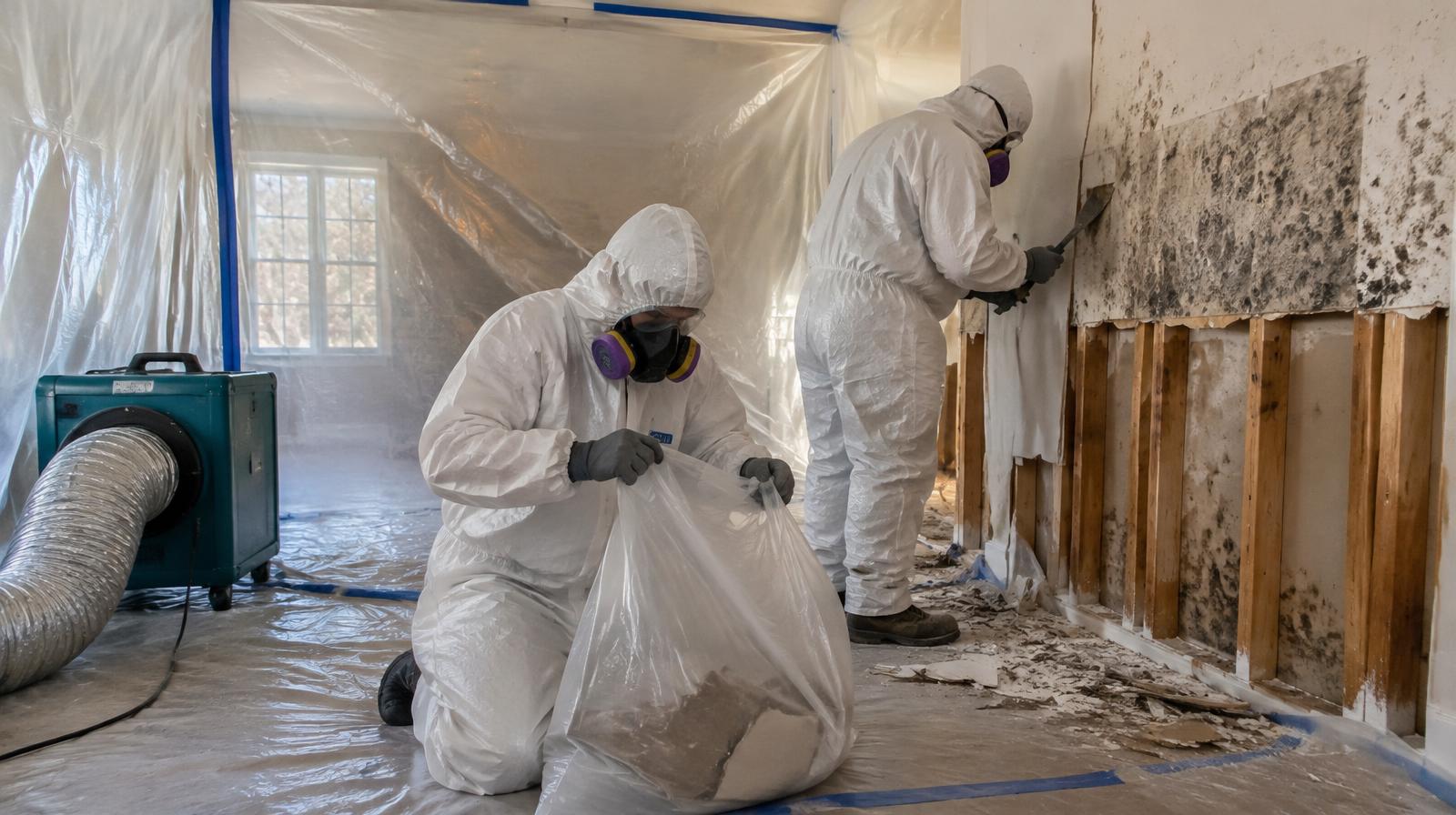
- Contain the area. Technicians seal the affected zone and establish airflow controls.
- Remove affected materials. Damaged drywall, insulation, and porous surfaces are cut out and bagged for disposal.
- Clean and decontaminate. Remaining surfaces receive antimicrobial treatment and HEPA vacuuming.
- Dry and verify. Moisture meters confirm the space meets acceptable dryness levels.
- Restore and renew. The company combines old-school craftsmanship with modern restoration technologies to ensure buildings are safe and visually renewed.
How do you restore structural integrity after mold?
Restoring structural integrity after mold requires a systematic remediation process that removes damaged materials and rebuilds affected areas. Mold remediation for structural integrity begins with professional assessment, followed by controlled demolition and complete reconstruction to return the property to a safe, functional state.
What steps are involved in structural restoration after mold?
Property owners in Media, Pennsylvania follow a clear sequence when addressing mold-compromised structures. SMG Plastering INC executes this restoration through a disciplined, multi-phase approach.
- Assess the damage. A thorough inspection identifies all moisture sources and maps the extent of structural compromise. No restoration proceeds without this diagnostic foundation.
- Stabilize the environment. Containment barriers and drying equipment halt active mold spread. Moisture control prevents further deterioration of framing, sheathing, and finish materials.
- Remove compromised materials. Technicians cut out drywall, insulation, and structural members that cannot be salvaged. This surgical removal eliminates hidden colonies that weaken load-bearing elements.
- Decontaminate remaining surfaces. Antimicrobial treatments and HEPA vacuuming clean salvageable framing and substrates. The goal is a sterile surface ready for reconstruction.
- Rebuild to original specifications. New materials replace what was removed. SMG Plastering INC handles framing, drywall, plaster, and finish work, restoring both strength and appearance.
How do professionals know when structural remediation is complete?
Completion is verified through objective criteria, not visual inspection alone. According to the EPA's Mold Remediation in Schools and Commercial Buildings guide, remediation finishes when moisture problems are resolved and no visible mold remains. SMG Plastering INC applies this standard across residential, commercial, and multi-family properties throughout Media and Delaware County. The company's comprehensive remediation services protect property value and restore structural integrity, ensuring clients regain a building that is both sound and safe.
Conclusion
For Media property owners, the decision to act on mold remediation protects the framing, subflooring, and load-bearing walls that hold a building together. Delaying professional evaluation allows moisture to progressively weaken these critical components, turning a contained issue into a costly structural failure. A complete restoration process, from assessment through verified dryness and reconstruction, returns the property to a safe, functional state. Scheduling that free consultation and site assessment is the first step toward securing both the building's integrity and the owner's peace of mind.
Related Services
Services Covered in This Article
One licensed contractor for the moisture source, the remediation and the finished repair.
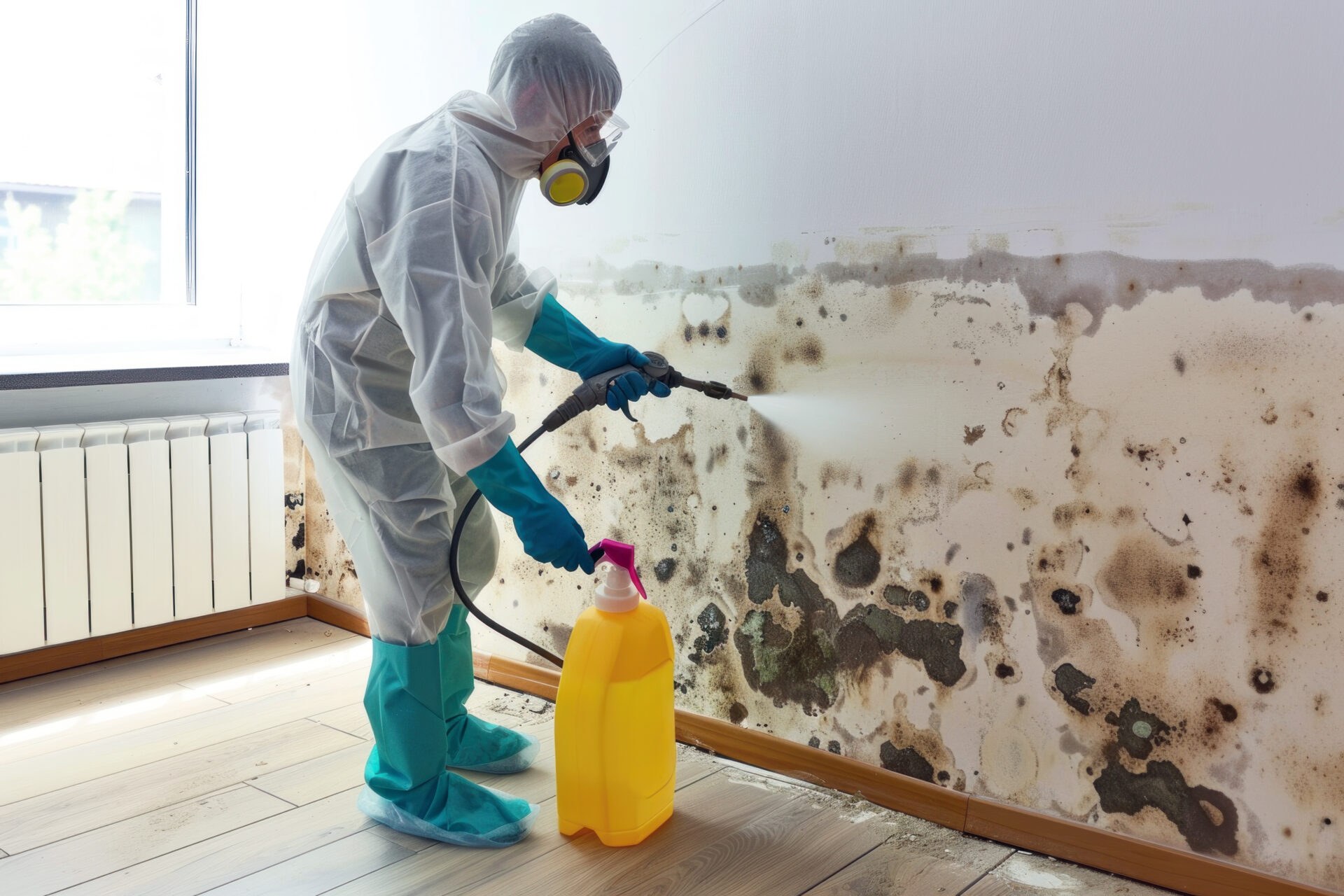
Mold Remediation
Thorough inspection, safe containment-based removal and long-term moisture control for healthy indoor air.
Learn more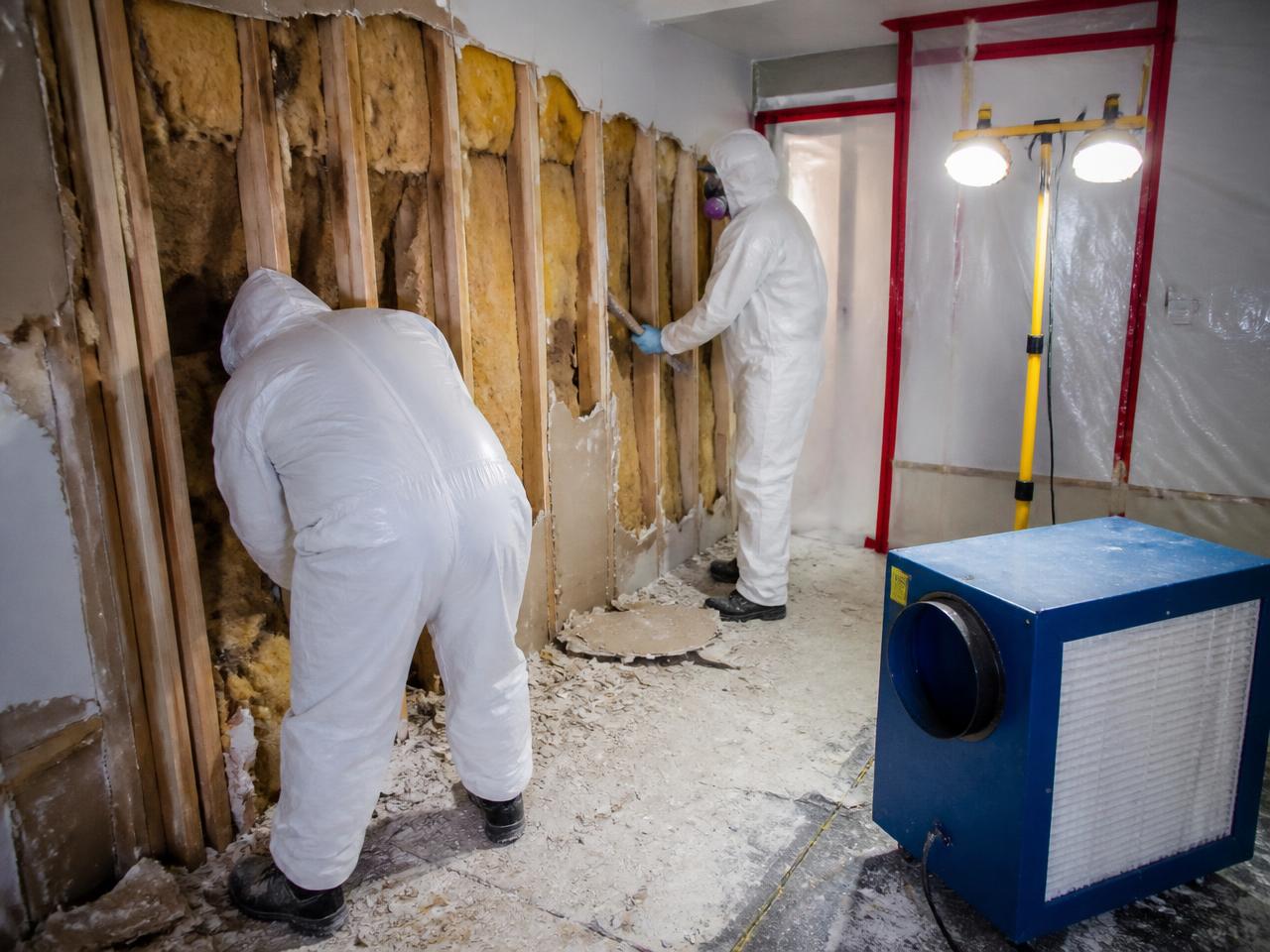
Remediation Services
Comprehensive fire, smoke, water and environmental remediation with full rebuild under one contractor.
Learn more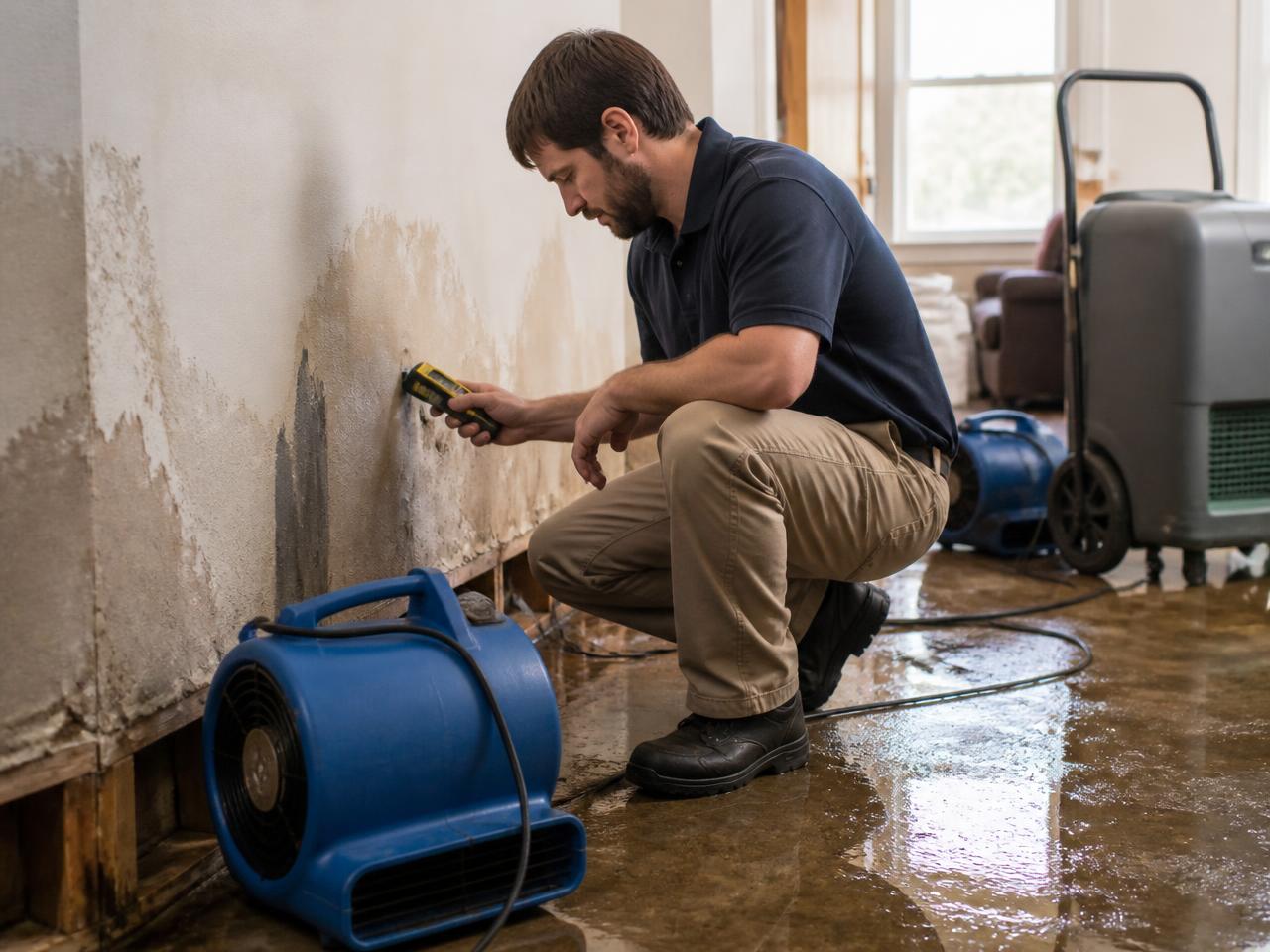
Water Damage and Restoration
Fast extraction, professional structural drying and full restoration back to pre-loss condition — day or night.
Learn moreOur Location
Where We Work — Media, Pennsylvania
SMG Plastering INC is based at 830 Crum Creek Road, Media, PA 19063, serving Media and the surrounding Delaware Valley.
Frequently Asked Questions
Mold Remediation Questions, Answered
How does mold threaten the structural integrity of a building in Media, PA?
Mold digests wood framing, drywall, and subflooring from the inside out, causing wood to lose load-bearing capacity, drywall to crumble, and subfloors to soften and sag. Humid summers and aging basements in Media accelerate this year-round risk.
Get Started
Request Your Free Mold Remediation Estimate
Tell us what you need and we'll return a detailed, itemized estimate within 24 hours. Emergency service is available 24/7.
- Office
- 830 Crum Creek Road, Media, PA 19063
- Hours
- Available 24/7 – Emergency services available day or night
Get a Free Estimate
Tell us about your project and we'll respond within 24 hours.
Google Reviews
What Clients Say About SMG Plastering INC
Reviews pull in automatically from our Google Business Profile. Worked with us? Your review is the fastest way to help neighbours in Media, PA find a licensed contractor they can trust.
Reviews are loaded live from Google and shown exactly as their authors wrote them. Powered by Google.